When Crushed Ducts Cost More: Stopping Energy Loss in Bellaire Homes
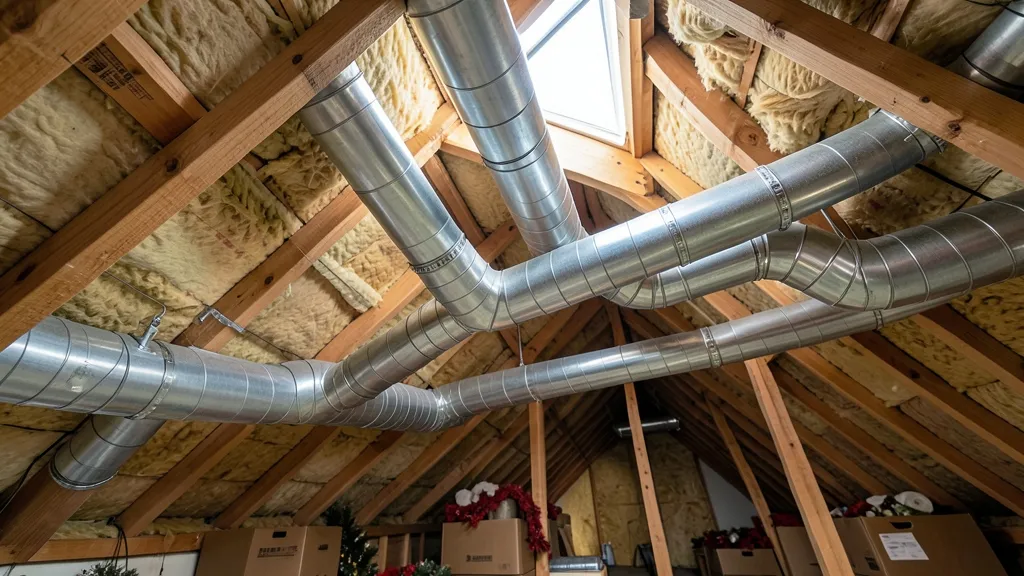
Crushed or kinked ductwork silently drains your wallet every month. In Bellaire’s long cooling season, even minor duct damage can inflate energy bills by 20-30% while straining your HVAC system. We’ll show you how to spot the problem, why it happens, and how professional duct cleaning and repair restore efficiency and comfort.
How Crushed Ducts Drain Your Energy Budget
Every bend, crush, or collapse in your ductwork increases static pressure. Your HVAC blower works harder to push air through restricted passages, consuming more electricity to deliver less cooling.
In Bellaire’s humid summers, that inefficiency is compounded. Poor airflow lets moisture linger, encouraging mold growth in ducts and reducing indoor air quality.
Common Causes of Duct Compression in Local Homes
Flex duct is often crushed during attic or crawl space renovations. Contractors may step on it or shift insulation, pinching the airway without realizing the impact.
Improper installation is another culprit. Sharp turns, excessive length, or sagging runs—common in older Meyerland and West University Place homes—create natural restriction points.
Pest activity, especially in attics, can also damage ductwork. Rodents and insects chew through flex duct or nest inside, blocking airflow entirely.
Tape or mastic applied incorrectly can fail under pressure. Always use UL-181 rated materials and follow NADCA standards for lasting results.
Signs Your Ducts Are Costing You Money
Uneven cooling is the most obvious red flag. If some rooms stay warmer than others, crushed supply ducts may be starving them of airflow.
Higher-than-usual energy bills without a clear cause often trace back to duct issues. Compare your usage to neighbors in similar homes in Southside Place or Braes Heights.
Whistling or hissing noises from vents indicate air escaping through gaps or fighting its way past obstructions. A professional duct inspection can confirm the source.
Crushed Ducts vs. Leaky Ducts: What’s Worse?
Both problems waste energy, but their impacts differ. Leaky ducts lose conditioned air directly, while crushed ducts force your system to overwork, accelerating wear.
| Issue | Energy Impact | HVAC Strain | Indoor Air Quality Risk |
|---|---|---|---|
| Crushed Ducts | High (increased runtime) | Very High (blower overload) | Moderate (moisture buildup) |
| Leaky Ducts | High (direct air loss) | Moderate (compensating for loss) | High (dust, allergens, attic air intrusion) |
| Both | Severe | Severe | High |
How Professional Duct Cleaning Helps
Cleaning removes debris that contributes to blockages. Dust, pet hair, and insulation fragments can accumulate in crushed sections, worsening airflow restrictions.
Our team uses high-powered vacuums and agitation tools to dislodge buildup in hard-to-reach areas, including attics and crawl spaces common in Bellaire homes.
Post-cleaning, we inspect for structural damage. If ducts are crushed beyond repair, we recommend replacement or rerouting to restore proper airflow.
Duct cleaning alone won’t fix compression. Combine it with sealing and insulation to maximize energy savings and system longevity.
When to Consider Duct Replacement or Rerouting
If over 30% of your ductwork is crushed or deteriorated, replacement is often more cost-effective than piecemeal repairs. Flex duct typically lasts 10-15 years; metal duct can last 20+ with proper care.
Rerouting may be necessary in homes with poorly designed layouts. We often see this in older Texas Medical Center-area properties where ducts were installed without modern efficiency standards.
Upgrading to insulated ductwork during replacement improves R-value, reducing heat gain in attics—a major issue in Bellaire’s climate.
Preventing Future Duct Damage
Schedule annual HVAC maintenance, including duct inspections. Catching early signs of compression or wear prevents costly repairs down the line.
If you’re renovating, mark duct locations in attics and crawl spaces. Use walkways or platforms to avoid stepping on flex duct during future work.
Consider upgrading to rigid metal ducts in high-traffic areas. While more expensive upfront, they resist crushing and last longer than flex duct.
Duct Protection Checklist
- Inspect ducts before and after attic or crawl space work
- Use UL-181 rated tape and mastic for all seals
- Install duct supports every 4-5 feet for flex duct runs
- Avoid sharp bends; use long-radius elbows where turns are necessary
- Test system static pressure after any duct modifications
The Role of Indoor Air Quality Testing
Crushed ducts don’t just waste energy—they can degrade air quality. Poor airflow traps pollutants, while leaks pull in dust, insulation fibers, or attic air.
We offer indoor air quality testing to identify contaminants linked to duct issues. This is especially valuable in Bellaire, where humidity and allergens are year-round concerns.
If testing reveals mold or bacteria, we may recommend UV light sanitization or mold treatment in addition to cleaning and repairs.
How to Check for Crushed Ducts in Your Bellaire Home
A quick visual inspection can reveal obvious problems, but some issues require a professional.
- 1Locate Your Ductwork
Most ducts run through attics, crawl spaces, or basements. In Bellaire, attics are the most common location. Use a flashlight to trace supply and return lines from your HVAC unit.
- 2Look for Visible Damage
Check for flat or dented sections in flex duct, or disconnected joints. Metal ducts may have crushed seams or bent sections.
- 3Test Airflow at Vents
Hold a tissue near supply vents. Weak airflow in one room but strong in others suggests a blockage or crush in the duct serving the weaker vent.
- 4Listen for Unusual Noises
Turn on your HVAC and listen at vents and along duct runs. Whistling or hissing indicates restrictions; rattling may signal loose or damaged sections.
- 5Measure Room Temperatures
Use a thermometer to compare temperatures in different rooms. Consistent disparities often point to ductwork issues.
- 6Call a Professional
If you find damage or suspect hidden problems, schedule a duct inspection. We use cameras and pressure tests to diagnose issues you can’t see.
Frequently Asked Questions
Can crushed ducts cause my AC to freeze up?
Yes. Restricted airflow from crushed supply ducts reduces the amount of warm air passing over the evaporator coil. This can cause the coil to drop below freezing, leading to ice buildup and system shutdown.
How often should ducts be cleaned in Bellaire?
NADCA recommends cleaning every 3-5 years, but Bellaire’s humid climate and construction dust may warrant more frequent service. Homes with pets, allergies, or recent renovations should consider annual inspections.
Will fixing crushed ducts lower my energy bills immediately?
In most cases, yes. Restoring proper airflow reduces runtime and strain on your HVAC system. The exact savings depend on the severity of the damage and your system’s efficiency, but many homeowners see a noticeable drop within the first billing cycle.
Are crushed ducts a common problem in newer Bellaire homes?
Less common, but not unheard of. Newer homes in areas like West University Place often have better-designed duct systems, but poor installation or post-construction damage can still occur. Always verify ductwork quality during home inspections.
What’s the difference between duct cleaning and duct repair?
Duct cleaning removes contaminants like dust, mold, and debris from your ductwork. Duct repair addresses structural issues, such as sealing leaks, reinforcing crushed sections, or replacing damaged ducts. Often, both are needed to restore full efficiency.
Do you serve areas near Bellaire, like Meyerland or the Texas Medical Center?
Yes, our team provides air duct cleaning, repair, and related services throughout Bellaire and surrounding neighborhoods, including Meyerland, West University Place, Southside Place, Braes Heights, and the Texas Medical Center area.