How Dirty Air Ducts Spread Contaminants Throughout Your Bellaire Home
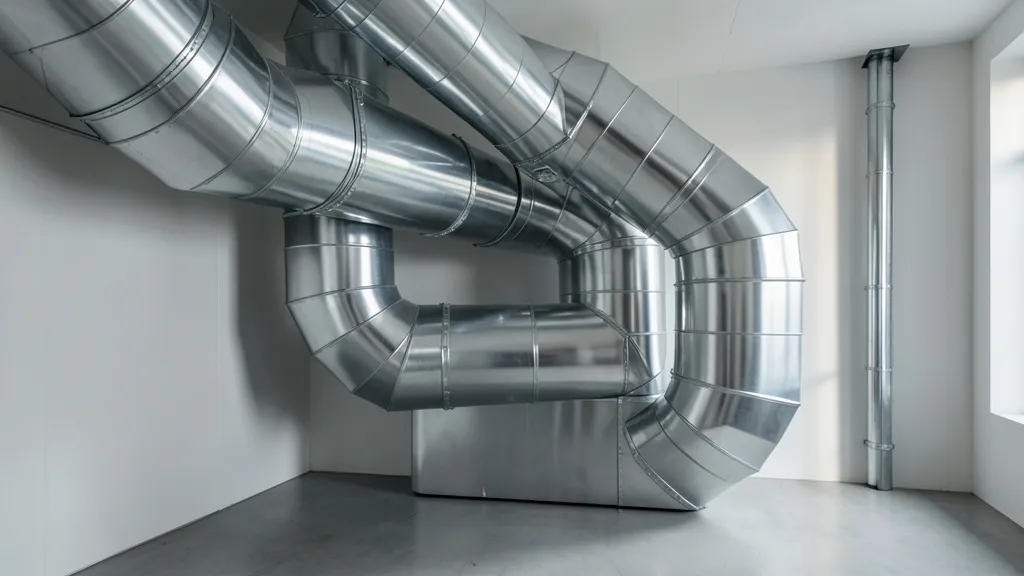
Your home’s ductwork is the respiratory system of your HVAC. When ducts accumulate dust, mold, or debris, every cycle of the blower motor pushes those contaminants into living spaces. In Bellaire’s humid climate, this isn’t just unsightly—it’s a direct hit to indoor air quality.
The Hidden Pathway: How Contaminants Travel Through Ducts
Supply ducts carry conditioned air from the air handler to each room. If lined with dust or microbial growth, those particles hitch a ride on the airflow, settling on surfaces or lingering in the air you breathe.
Return ducts pull air back to the HVAC system for reconditioning. Without proper filtration, they also pull in pet dander, pollen, and even volatile organic compounds from household cleaners or off-gassing furniture.
In Bellaire, high humidity accelerates mold and mildew growth in ductwork. Once established, spores detach and spread with every HVAC cycle, affecting every room connected to the system.
Common Contaminants Lurking in Bellaire Ductwork
Dust and debris are the most visible culprits, but they’re often mixed with finer particulates like dead skin cells, insect droppings, or construction residue left behind after renovations.
Mold and mildew thrive in damp ducts, especially in older homes or areas near the Texas Medical Center where flooding has been a historic concern. These fungi release spores that trigger allergies and respiratory issues.
Pet dander and pollen are lightweight and easily airborne. Even homes without pets can harbor these allergens, carried in on shoes or through open windows during Bellaire’s mild winters.
| Contaminant | Source | Health Impact |
|---|---|---|
| Dust mites | Fabrics, carpets, upholstery | Allergies, asthma |
| Pet dander | Pets, visitors with pets | Allergic reactions, respiratory irritation |
| Mold spores | Moisture in ducts, flooding history | Respiratory issues, headaches, fatigue |
| Pollen | Outdoor air, open windows | Seasonal allergies, sinusitis |
| VOCs | Cleaning products, new furniture | Eye/nose/throat irritation, nausea |
Signs Your Ducts Are Spreading Contaminants
Uneven dust buildup on furniture shortly after cleaning is a red flag. If dust settles faster in rooms farthest from the air handler, your ducts may be the source.
Musty odors when the HVAC kicks on often indicate mold or mildew in the ductwork. In Bellaire’s humid summers, this smell can intensify as moisture levels rise.
Increased allergy symptoms or respiratory issues at home—but not elsewhere—suggest poor indoor air quality. Pay attention if symptoms worsen when the system runs.
If you see mold near vents or inside ductwork during an inspection, avoid running the HVAC until a professional assesses it. Spreading mold spores can worsen health risks.
Why Bellaire’s Climate Makes Duct Cleaning Critical
Houston’s humidity isn’t just uncomfortable—it’s a breeding ground for biological contaminants. Bellaire’s proximity to the coast means higher moisture levels year-round, accelerating mold growth in ducts.
Frequent AC use in summer keeps ducts damp, while winter’s milder temps can lead to condensation if insulation is poor. Both scenarios create ideal conditions for microbial growth.
Neighborhoods like Meyerland and Braes Heights, with older homes, often have ductwork that’s never been cleaned. Decades of buildup can significantly degrade indoor air quality.
The Role of Filtration in Contaminant Control
A high-MERV air filter traps finer particles, but it’s not a cure-all. Clogged filters restrict airflow, forcing contaminants to bypass the filter entirely and enter the duct system.
Electronic air cleaners and UV lights can supplement filtration. UV-C light, for instance, neutralizes mold and bacteria on coil surfaces, but it doesn’t remove existing duct debris.
Regular filter changes are non-negotiable. In Bellaire, we recommend checking filters monthly during peak AC use and replacing them every 1-3 months, depending on household conditions.
A MERV 8-12 filter balances airflow and filtration for most homes. Higher MERV ratings (13+) may require HVAC modifications to avoid restricting airflow.
How Professional Duct Cleaning Stops the Spread
We use negative air pressure (vacuum) systems to dislodge and remove debris from duct walls. This method ensures contaminants are captured and contained, not redistributed.
For mold or mildew, we apply EPA-approved antimicrobial treatments to duct surfaces after cleaning. This step is critical in humid climates like Bellaire’s to prevent regrowth.
Inspecting and sealing duct leaks during cleaning prevents outdoor pollutants from entering the system. In areas like West University Place, where construction is frequent, this also keeps dust from new builds out.
Related Services to Improve Indoor Air Quality
Dryer vent cleaning removes lint and debris that can harbor mold and reduce airflow efficiency. A clogged dryer vent also poses a fire risk and can backflow contaminants into your home.
HVAC coil cleaning improves system efficiency and prevents mold growth on wet coil surfaces. Dirty coils can circulate contaminants just like dirty ducts.
Indoor air quality testing identifies specific pollutants and their concentrations. This data helps us tailor solutions, whether it’s duct cleaning, filtration upgrades, or humidity control.
IAQ Boost Checklist
- Schedule annual duct inspections
- Replace air filters every 1-3 months
- Consider UV light installation for mold-prone systems
- Test indoor air quality if allergies persist
- Seal duct leaks to prevent pollutant entry
DIY vs. Professional Duct Cleaning: What You Need to Know
DIY duct cleaning with a vacuum or brush can remove surface dust but often misses deep debris or fails to address mold. Without proper equipment, you risk pushing contaminants further into the system.
Professionals use specialized tools like rotating brushes and high-powered vacuums to clean the entire duct network, including hard-to-reach areas. We also inspect for leaks, damage, or microbial growth.
In Bellaire, where older homes may have fragile ductwork, professional cleaning minimizes the risk of damaging the system. Improper cleaning can dislodge asbestos in very old homes, creating a hazardous situation.
How to Inspect Your Ducts for Contaminants
A quick visual check can reveal whether your ducts need professional attention.
- 1Turn Off the HVAC System
Switch off the system at the thermostat to prevent airflow from dispersing contaminants during inspection.
- 2Remove Vent Covers
Use a screwdriver to remove supply and return vent covers. Check for dust buildup, mold, or debris inside the duct opening.
- 3Use a Flashlight
Shine a flashlight into the duct as far as possible. Look for visible dust, cobwebs, or dark spots that may indicate mold.
- 4Check for Odors
Sniff near the open vents. Musty or stale smells suggest microbial growth or trapped debris.
- 5Inspect the Air Handler
If comfortable, open the air handler panel to check the blower motor and coil for dust or mold. Heavy buildup here often means the ducts are just as dirty.
- 6Reassemble and Monitor
Replace vent covers and turn the system back on. If you notice increased dust or odors afterward, it’s time to call a professional.
Frequently Asked Questions
How often should I have my air ducts cleaned in Bellaire?
We recommend professional duct cleaning every 3-5 years for most homes. However, if you have pets, allergies, or recent renovations, or live in a high-humidity area like Meyerland, consider cleaning every 2-3 years. Always inspect after flooding or water damage.
Can dirty ducts make my allergies worse?
Absolutely. Dirty ducts circulate dust mites, pet dander, pollen, and mold spores—all common allergy triggers. If symptoms improve when you’re away from home but flare up indoors, your ducts may be the culprit.
Is duct cleaning necessary if I change my air filter regularly?
Yes. While filters trap many particles, they don’t catch everything. Over time, dust and debris accumulate in the ductwork itself, especially in bends or hard-to-reach areas. Regular cleaning removes this buildup.
What’s the difference between duct cleaning and HVAC coil cleaning?
Duct cleaning focuses on the ductwork that distributes air throughout your home. HVAC coil cleaning targets the evaporator and condenser coils, which can harbor mold and reduce efficiency if dirty. Both are important for IAQ and system performance.
Do newer homes in Bellaire need duct cleaning?
Yes. Even new construction can have dust, drywall particles, or insulation fibers in the ducts from the building process. We often find significant debris in ducts of homes in West University Place or Southside Place that are just a few years old.
Can duct cleaning help with musty smells in my home?
Often, yes. Musty odors are frequently caused by mold or mildew in the ductwork or HVAC system. Professional cleaning, combined with antimicrobial treatments, can eliminate these smells at the source.