The Unique Challenges of Multi-Tenant Building Duct Cleaning in Bellaire
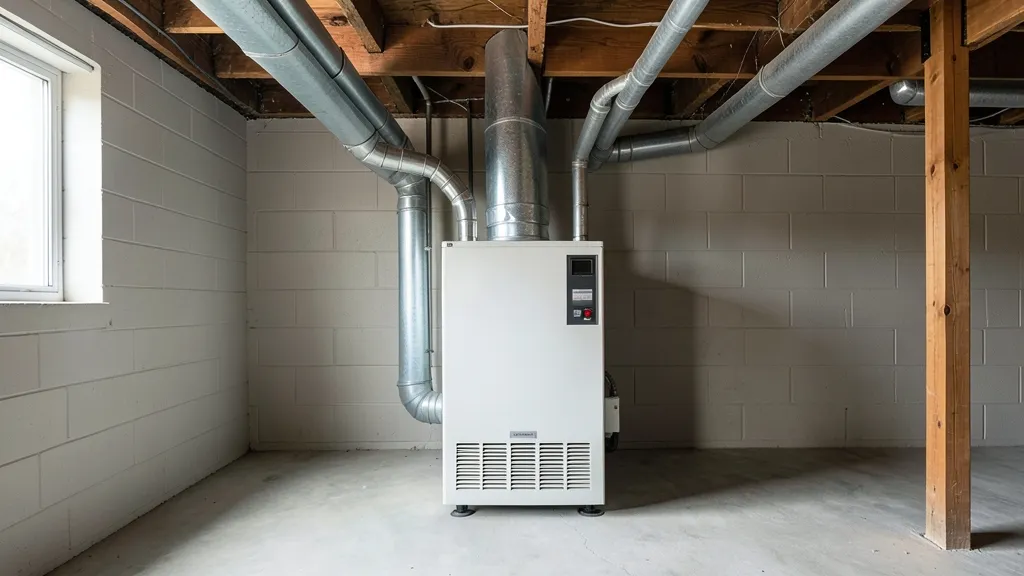
Multi-tenant buildings in Bellaire present distinct duct cleaning challenges that single-family homes don’t. Shared HVAC systems, restricted access, and varied tenant needs demand a specialized approach to ensure clean, efficient airflow and healthy indoor air quality.
Why Multi-Tenant Duct Cleaning Differs from Residential Work
Commercial and multi-tenant buildings often rely on complex, interconnected duct networks serving multiple units. Unlike standalone homes, these systems require coordinated access, tenant notifications, and often after-hours scheduling to minimize disruptions.
In Bellaire’s dense neighborhoods like Southside Place or Meyerland, older buildings may have ductwork that’s been modified over time, creating hidden inefficiencies or contamination paths between units.
Shared HVAC Systems: The Core Challenge
Shared systems mean contaminants from one unit can spread to others. Poorly sealed ducts, backflow from improperly balanced systems, or even a single tenant’s cooking residue can degrade air quality for the entire building.
Our team often finds cross-contamination in buildings near the Texas Medical Center, where high foot traffic and varied occupancy patterns accelerate duct soiling.
Without proper isolation and cleaning protocols, allergens, mold spores, or even pest debris can migrate between units. Always verify system separation before starting work.
Access and Coordination Hurdles
Gaining access to every unit—and the central system—is a logistical puzzle. Tenants may resist disruptions, and property managers must balance cleaning schedules with occupancy needs.
In West University Place or Braes Heights, where buildings often lack dedicated maintenance corridors, our team uses flexible scoping tools and non-invasive inspection methods to plan efficient, minimally intrusive service.
Common Contaminants in Multi-Tenant Ducts
Multi-tenant ducts accumulate a mix of dust, pet dander, mold, and even construction debris from renovations. Bellaire’s humid climate also fosters mold and mildew growth in poorly maintained systems.
Dryer vent lint is another frequent issue, especially in stacked units where vents may share pathways. This not only reduces efficiency but also poses a fire hazard.
| Contaminant | Common Source | Risk Level |
|---|---|---|
| Dust and debris | General occupancy, foot traffic | Moderate |
| Mold and mildew | Humidity, water leaks, poor ventilation | High |
| Pet dander | Tenant pets, shared airflow | Moderate |
| Dryer lint | Shared or improperly routed dryer vents | High (fire risk) |
| Construction dust | Renovations, nearby work | Moderate |
The Role of Negative Air Pressure
Improperly balanced systems can create negative air pressure, pulling unfiltered air—and contaminants—from walls, crawl spaces, or adjacent units into the ductwork.
This is a common issue in older Bellaire buildings with outdated HVAC designs. Our team measures pressure differentials during inspections to identify and correct these imbalances.
Regularly check and adjust dampers, and ensure return vents are unobstructed. This prevents negative pressure and reduces contaminant spread.
Solutions Tailored for Multi-Tenant Buildings
Effective cleaning in these environments often requires a combination of services: thorough duct cleaning, HVAC coil cleaning to remove biofilm, and dryer vent cleaning to eliminate lint buildup.
For persistent mold or mildew, we recommend UV light and sanitization treatments, followed by indoor air quality testing to verify improvements. These steps are critical in Bellaire’s humid summers, when microbial growth peaks.
Tenant Communication and Scheduling
Clear communication is key. We work with property managers to notify tenants in advance, explain the process, and address concerns about access, noise, or temporary air quality fluctuations.
Scheduling during off-peak hours or unit turnovers minimizes disruptions. In commercial spaces, we often phase the work to keep parts of the building operational.
Pre-Cleaning Tenant Coordination Checklist
- Notify all tenants 7–10 days in advance
- Provide clear instructions for securing pets and valuables
- Schedule around tenant work-from-home or business hours
- Confirm access to all units and mechanical rooms
- Arrange for temporary HVAC shutdowns if needed
Long-Term Maintenance for Multi-Tenant Systems
Regular maintenance prevents the buildup of contaminants and extends HVAC lifespan. We recommend bi-annual duct inspections, with full cleanings every 3–5 years—or more frequently in high-traffic or high-humidity buildings.
Replacing air filters quarterly and installing high-MERV filters where compatible can significantly reduce particulate load between cleanings.
How to Prepare a Multi-Tenant Building for Duct Cleaning
Proper preparation ensures a smooth, effective cleaning process with minimal tenant disruption.
- 1Conduct a Pre-Inspection
Use a borescope or camera to assess duct condition, identify blockages, and locate access points. This step is critical for planning in older Bellaire buildings with non-standard layouts.
- 2Notify Tenants and Staff
Provide written notice with the scope of work, expected duration, and any temporary HVAC shutdowns. Include contact information for questions or concerns.
- 3Secure Access and Permits
Coordinate with property management to unlock mechanical rooms, roof access, or individual units. Ensure compliance with local regulations, especially in commercial zones.
- 4Isolate the System
Seal off supply and return vents in each unit to prevent cross-contamination during cleaning. Use negative air machines if mold or heavy debris is present.
- 5Perform the Cleaning
Use HEPA-filtered vacuums and agitation tools to dislodge and remove contaminants. For shared systems, clean from the furthest unit backward to the central HVAC.
- 6Verify and Document
Inspect the ductwork post-cleaning and provide before-and-after photos or video. Test airflow and indoor air quality if requested.
Frequently Asked Questions
How often should multi-tenant buildings in Bellaire have their ducts cleaned?
We recommend a professional inspection every 1–2 years, with full cleanings every 3–5 years. However, buildings with high tenant turnover, pets, or humidity issues may need more frequent service. Request a quote for a tailored assessment.
Can duct cleaning in one unit affect others in the same building?
Yes, if the system is interconnected. Contaminants dislodged in one unit can travel through shared ductwork. Proper isolation and cleaning protocols are essential to prevent cross-contamination.
What are the signs a multi-tenant building needs duct cleaning?
Unexplained allergies or respiratory issues among tenants, visible mold near vents, reduced airflow, or a musty odor are red flags. In Bellaire’s climate, persistent humidity or water stains near ducts also warrant an inspection.
Is dryer vent cleaning included in multi-tenant duct cleaning?
Not always. Dryer vents often require separate cleaning due to their unique design and lint buildup risks. We offer dedicated dryer vent cleaning as a complementary service, especially for stacked units in areas like Meyerland.
How do you handle tenant concerns about air quality during cleaning?
We use HEPA filtration and containment systems to minimize airborne particles. Tenants can also run portable air purifiers during the process. Post-cleaning, we recommend indoor air quality testing for verification.
Are there specific regulations for commercial duct cleaning in Bellaire?
While Texas doesn’t have statewide duct cleaning regulations, local fire codes and building standards may apply, especially for commercial properties near the Texas Medical Center. We stay updated on all relevant guidelines to ensure compliance.