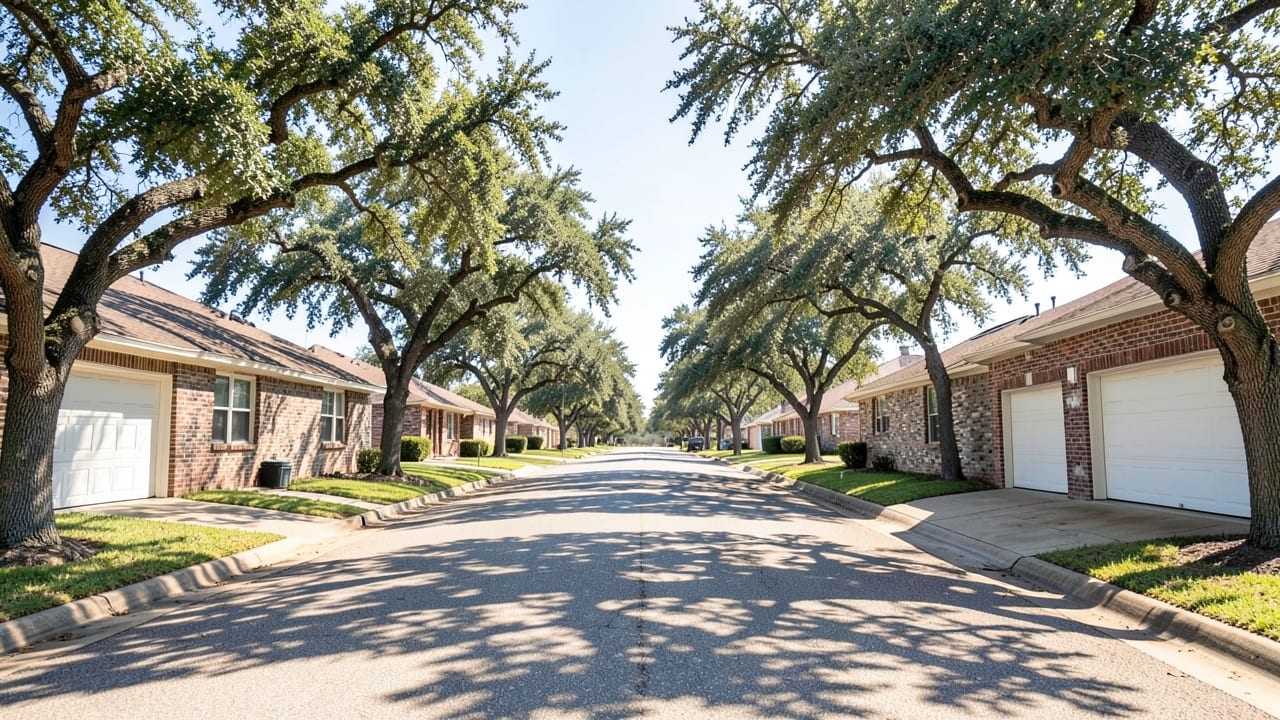
Air Duct Cleaning in South Houston, TX
air duct cleaning for South Houston, TX properties — South Houston is a nearby community roughly 14.3 miles east of Bellaire..
Air duct cleaning in South Houston, TX is handled by the same local provider network that covers Bellaire, with no separate trip charge for the distance. South Houston is a nearby community roughly 14.3 miles east of Bellaire.
Why air duct cleaning comes up in South Houston
Air duct cleaning problems often arise in dense suburban areas with flat terrain and limited air circulation, like those found in South Houston. The region's low-lying landscape and proximity to industrial zones allow dust, pollen, and humidity to settle into ductwork more easily. Seasonal heat and humidity cause condensation inside vents, promoting mold and mildew growth.
We also handle West University Place, TX and Southside Place, TX for Bellaire properties.
Older homes in the area, built with less efficient HVAC systems, exacerbate the issue as debris accumulates over time. The work involves removing built-up contaminants from duct systems to improve airflow, typically using high-powered vacuums and brushes to dislodge and extract particles.
What the work involves, step by step
System inspection. A camera or mirror inspection of the supply and return runs identifies where dust, debris, or biological growth is concentrated before any cleaning equipment is deployed, so the crew knows which sections need agitation and which are already reasonably clear.
Register and vent sealing. Supply and return registers not currently being worked on are sealed off, and a negative-pressure collection unit is connected to the system, so dislodged dust is pulled into the collection unit instead of blowing out into the rooms through open vents elsewhere in the house.
Mechanical agitation. A rotary brush or compressed-air whip is run through each duct run to knock built-up dust off the interior walls of the ductwork, since dust that has settled and compacted over years doesn't come loose from suction alone.
HEPA vacuum extraction. The dislodged material is pulled out through the negative-pressure connection into a HEPA-filtered collection system, which keeps the fine particulate captured on-site rather than releasing it back through the return air into the living space.
Register and diffuser cleaning. Each supply and return register, plus the grille and any accessible diffuser, is removed and cleaned separately, since registers accumulate a different kind of buildup — pet hair, surface dust — than what collects deeper in the duct run.
Airflow verification. Once the system is reassembled, airflow at several registers is checked against what it was reading before the cleaning started, confirming the work actually improved circulation rather than just moved dust around inside the same ductwork.
How to tell the work is needed in South Houston
Whole-house duct problems tend to announce themselves through what shows up in the rooms rather than anything visible inside the ductwork itself. A puff of dust when the system first kicks on, or dust that resettles on furniture within a day or two of cleaning, is one of the more direct signs, particularly when it's worse near the supply vents than elsewhere in the room. A musty or stale smell that's noticeable specifically while the system is running, but fades once it shuts off, points to something building up inside the ducts rather than a general household odor.
A room that collects a visible layer of dust again within days, consistently faster than other rooms in the same house, often means dust is being actively delivered through that vent rather than just settling on its own. And a fine gray film or visible buildup right at the register grille, especially one that reappears quickly after being wiped clean, is a direct sign of what's sitting just inside the duct behind it.
What goes wrong when the work is done badly
Disconnected flex duct during agitation. Aggressive brushing or an air whip run through a flexible duct section can pull a loose connection apart at the joint, and a disconnected section that goes unnoticed after the service leaves conditioned air blowing into a wall cavity or attic instead of a living space.
Dust escaping through open registers. Skipping the sealing step on registers not currently being worked on lets dislodged dust blow straight out into the room instead of being pulled into the collection unit, spreading the exact material the service was meant to remove throughout the house.
Excess moisture or biocide misuse. Applying a biocide or moisture-based treatment inside ductwork without adequate drying afterward can leave a damp environment that promotes new microbial growth inside the duct — solving the immediate dust problem while creating a different one.
What keeps the problem from coming back
How fast ducts get dirty again depends far more on what keeps feeding new dust into the system than on the cleaning itself, which is also why a single recommended interval doesn't hold up well across different households. Changing the air filter on schedule — typically every one to three months depending on the filter and the household — is the biggest factor, since a clogged filter forces far more dust past it and into the ductwork than a fresh one does. Sealing obvious gaps where a duct connects to a register boot, or where sections join in an unfinished basement or attic, stops dust from that space being pulled directly into the airstream between cleanings.
Including registers and return grilles in routine household vacuuming keeps surface dust from constantly getting pulled back into the system, and in a household with pets that shed heavily, grooming and vacuuming at the source does more to slow the buildup than anything done to the ducts themselves. Industry guidance on how often to repeat the service actually contradicts itself — anywhere from once a year to once every five years, depending on the source — which is less a gap in the research than a sign the real answer depends on the household, not a fixed number.
What the work costs around South Houston
Around South Houston, the going rate for whole-home air duct cleaning sits between $290 and $530 for the job. That figure covers a whole-home duct cleaning for a single HVAC system. Two different pricing models show up in this market — a flat system fee plus extra per vent beyond a base count (used here), or pure per-vent pricing with no base fee — and only around a third of providers publish either one in the open.
This figure is a market-research estimate for this category of work, not a price set here — the amount a specific job actually costs depends on its scope, conditions on site, and the company that takes it on. Source: HouseCallPro / Fixr, 2026.
How to choose who does the work in South Houston
Is the quote a flat whole-house price, a per-vent price, or a per-register price? These three pricing models can produce very different totals for the same house, so the model should be clear before comparing numbers. Does the quote include the main trunk lines and the HVAC unit's coils and blower, or only the individual vents? Some estimates cover only the visible vent openings, leaving the main lines untouched. What method is used — negative-pressure HEPA vacuum with agitation, or a shop-vac at the vent? A shop-vac at the vent removes far less debris than a whole-system negative-pressure method. Is a before-and-after camera inspection provided so the results can be checked? Without visual confirmation, there is no way to verify how much debris was actually removed. Does the estimate include dryer vent cleaning, or is that a separate service? Duct cleaning and dryer vent cleaning are different systems and are sometimes confused inside a bundled quote. What is the plan if mold or pest contamination is found inside the ducts? Contamination sometimes calls for a different remediation step beyond a standard cleaning, which can change the price.
A price that sounds far too low compared to every other quote for the same house size. Unusually cheap duct cleaning sometimes means a shop-vac at the vents rather than a full negative-pressure system clean. No specification of whether the price is flat-rate, per-vent, or per-register. Without knowing the pricing model, there is no way to tell if the number is actually comparable to another bid. No before-and-after inspection offered. Without a camera check, there is no way to confirm how much debris was actually removed. Pressure to add UV-light or sanitizing treatments on the spot, bundled with no separate breakdown. Bundled add-ons proposed during the visit are harder to evaluate than a written, itemized quote. No mention of whether the HVAC coils or blower are included or excluded from the cleaning. Some estimates cover only the visible duct openings, leaving the unit itself untouched.
Services covered in South Houston, TX
Work booked through this page in South Houston covers Rectangular Duct Cleaning, Warehouse Duct Cleaning, Air Duct Cleaning, Air Filter Replacement, Supply Vent Cleaning, Concrete Duct Cleaning, Rental Property Duct Cleaning, Algae Biofilm Duct Cleaning, and 30 other services listed on the services page.
Air duct cleaning in South Houston, TX is quoted on the same terms as the rest of the coverage area — request one to get a number for your job.
See Rectangular Duct Cleaning for more, or take a look at everything on offer in Bellaire for our complete lineup.
Serving South Houston, TX
Air Duct Cleaning Services in South Houston, TX
Mold & Mildew Duct Treatment in South Houston, TX
Mold & Mildew Duct Treatment for South Houston, TX properties — South Houston is a nearby community roughly 14.3 miles east of Bellaire..
Learn More
Indoor Air Quality Testing in South Houston, TX
Indoor Air Quality Testing for South Houston, TX properties — South Houston is a nearby community roughly 14.3 miles east of Bellaire..
Learn More
Commercial Duct Cleaning in South Houston, TX
Commercial Duct Cleaning for South Houston, TX properties — South Houston is a nearby community roughly 14.3 miles east of Bellaire..
Learn MoreUV Light & Sanitization Treatment in South Houston, TX
UV Light & Sanitization Treatment for South Houston, TX properties — South Houston is a nearby community roughly 14.3 miles east of Bellaire..
Learn MoreAir Filter Replacement in South Houston, TX
Air Filter Replacement for South Houston, TX properties — South Houston is a nearby community roughly 14.3 miles east of Bellaire..
Learn MoreKitchen Exhaust Hood Cleaning in South Houston, TX
Kitchen Exhaust Hood Cleaning for South Houston, TX properties — South Houston is a nearby community roughly 14.3 miles east of Bellaire..
Learn MoreOther Areas We Cover
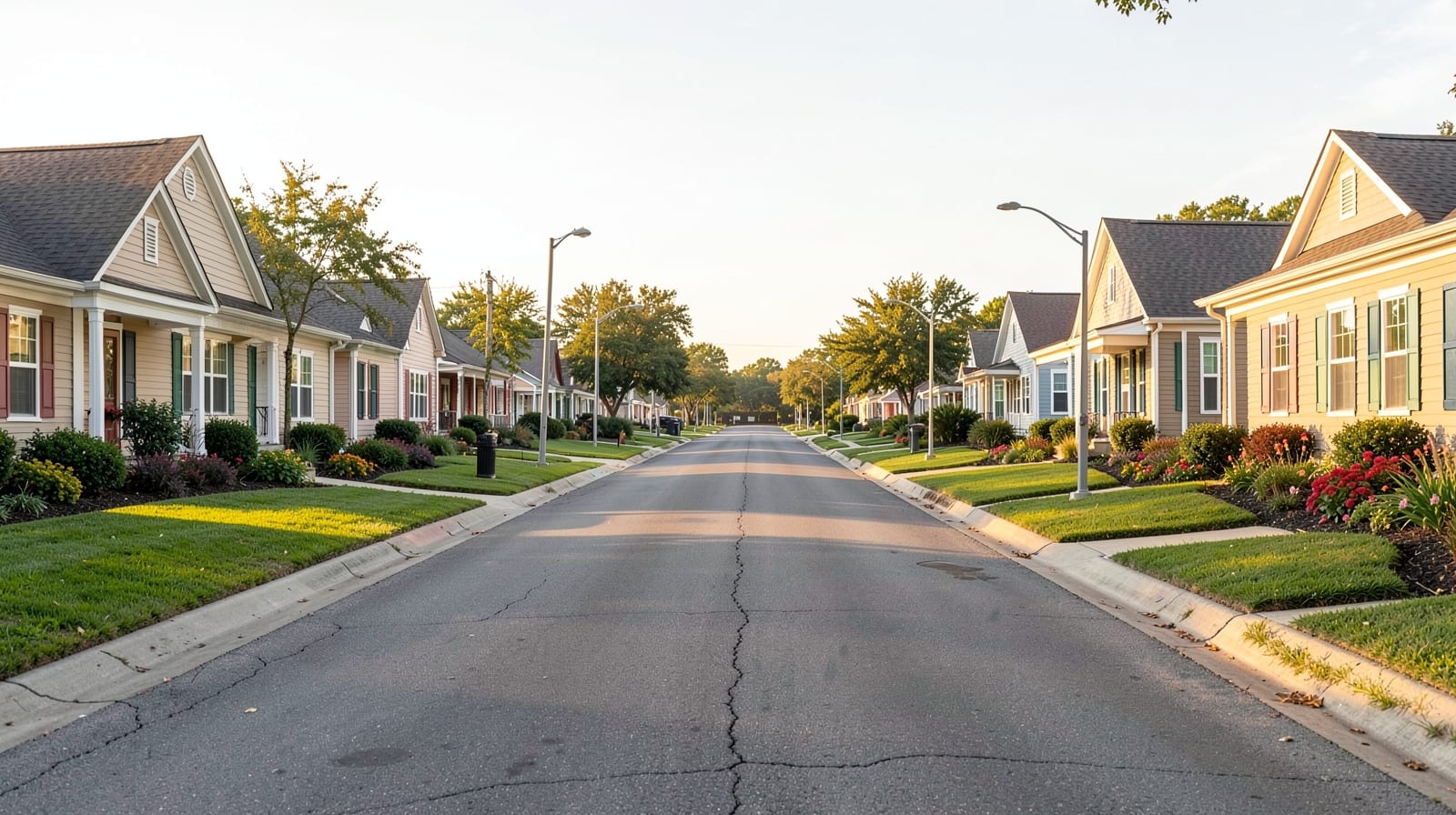
Air Duct Cleaning in West University Place, TX
air duct cleaning for West University Place, TX properties — West University Place is the independent city that borders Bellaire directly along its northern and eastern edge.
Learn More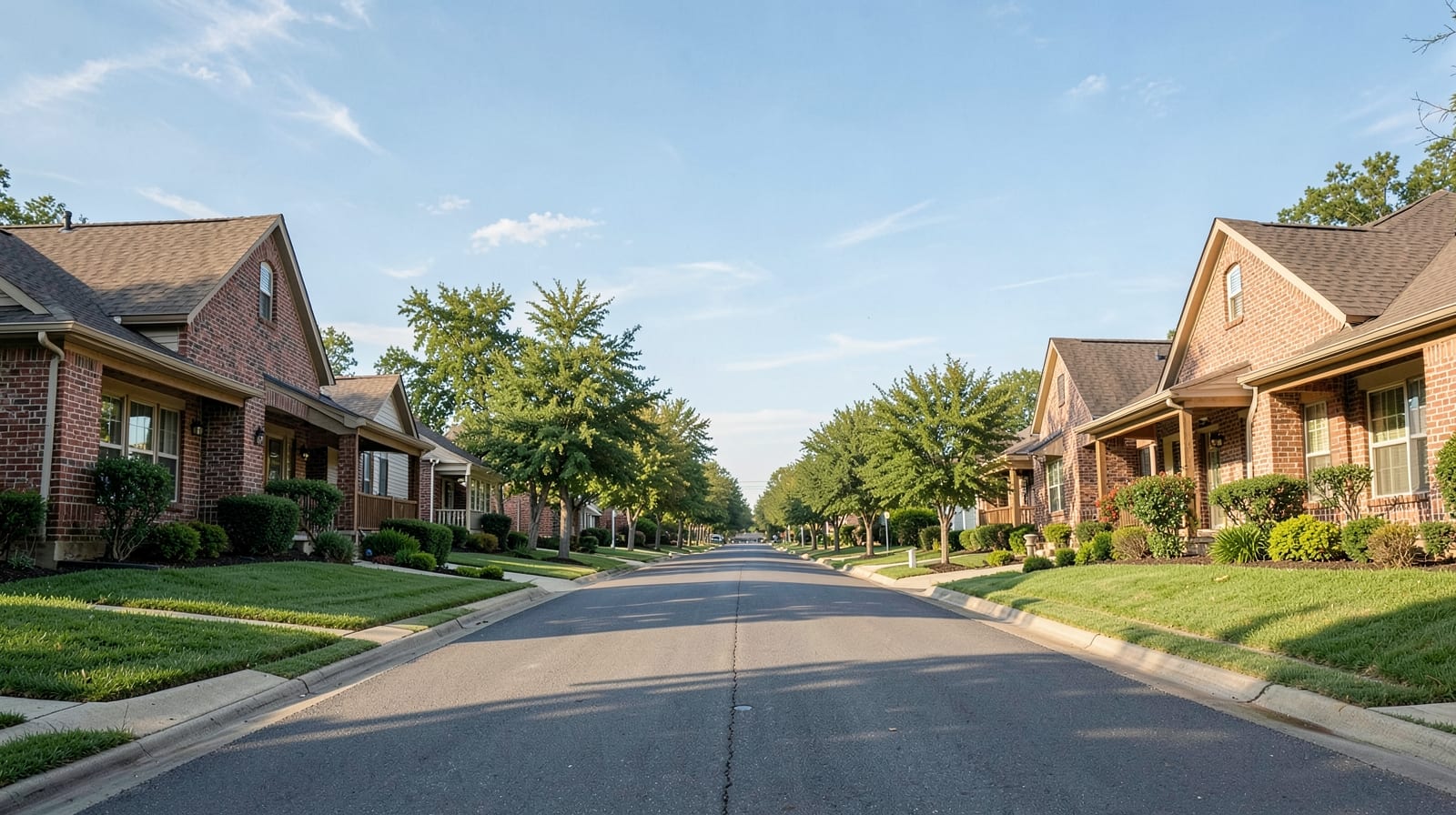
Air Duct Cleaning in Southside Place, TX
air duct cleaning for Southside Place, TX properties — Southside Place is a small enclave city just east of Bellaire, almost fully encircled by West University Place and Bellaire.
Learn More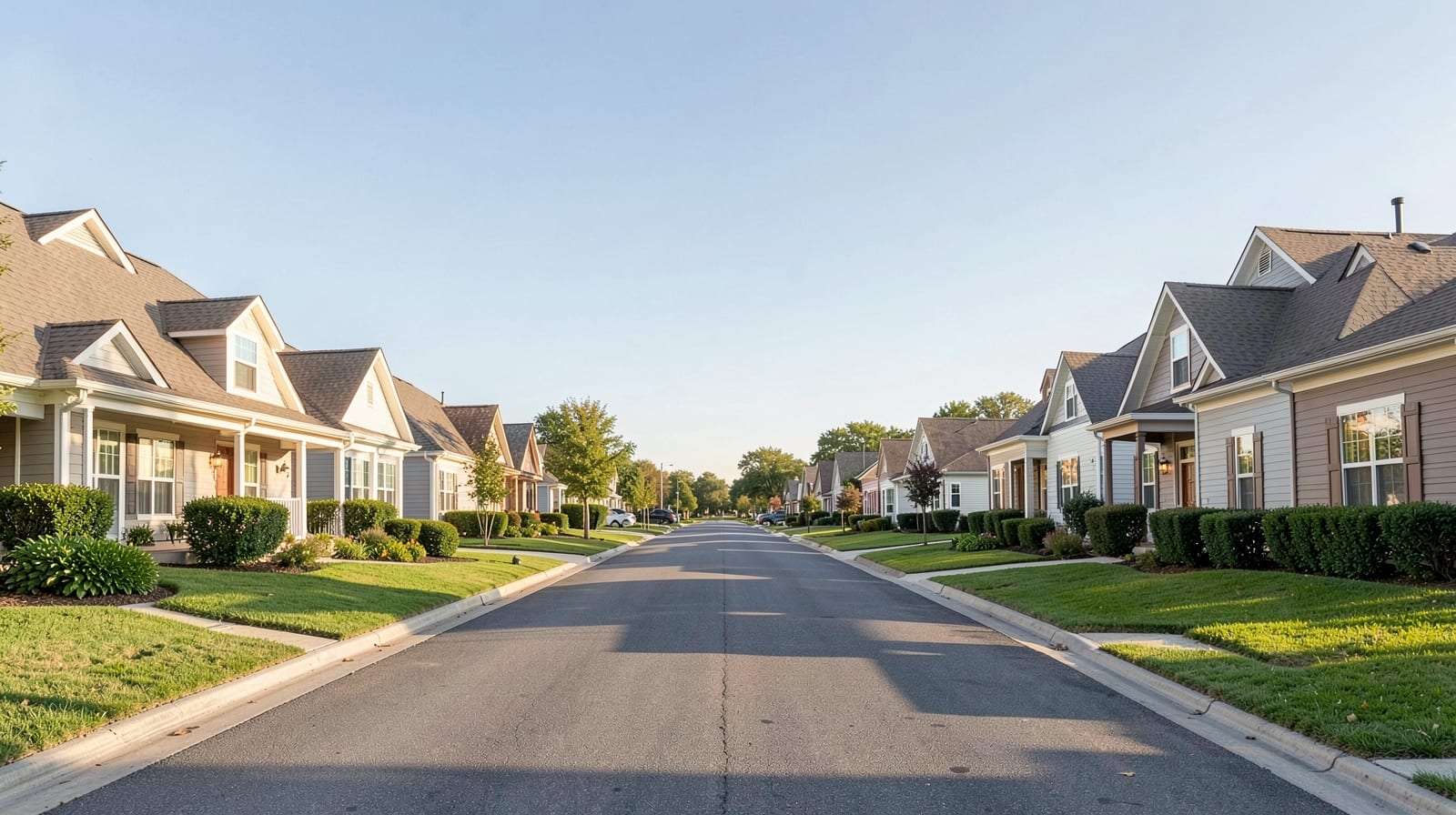
Air Duct Cleaning in Meyerland, TX
air duct cleaning for Meyerland, TX properties — Meyerland is the Houston neighborhood immediately southwest of Bellaire, just outside Loop 610, sitting on both banks of Brays Bayou.
Learn More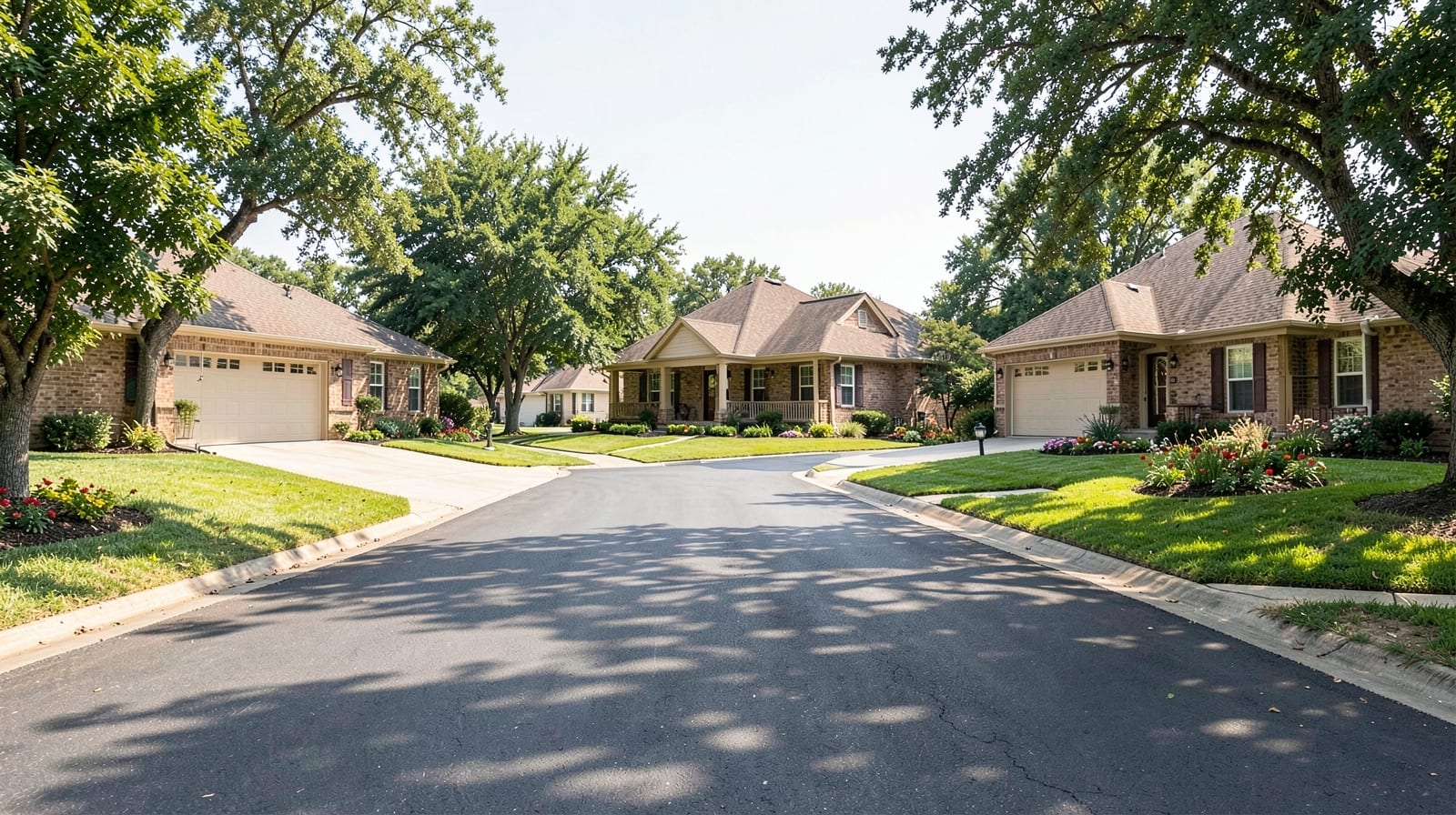
Air Duct Cleaning in Braes Heights, TX
air duct cleaning for Braes Heights, TX properties — Braes Heights is the Houston neighborhood bordering Bellaire to the north along Loop 610.
Learn More
Air Duct Cleaning in Texas Medical Center, TX
air duct cleaning for Texas Medical Center, TX properties — Texas Medical Center is a few minutes northeast of Bellaire and home to a dense concentration of commercial and institutional HVAC systems.
Learn More
Air Duct Cleaning in Ayrshire, TX
air duct cleaning for Ayrshire, TX properties — Ayrshire is one of the seven Braeswood Place subdivisions immediately east of Bellaire, inside Loop 610.
Learn MoreCommon Questions About Air Duct Cleaning in South Houston, TX
Everything you need to know about air duct cleaning services in South Houston, TX
How much does air duct cleaning typically cost in South Houston, TX?
Can humidity in South Houston, TX lead to mold growing inside the ductwork itself?
Can air ducts be cleaned with a household vacuum instead of hiring it out?
Is duct cleaning ever covered by a home warranty or insurance policy?
What's the actual difference between duct cleaning and dryer vent cleaning?
Does the cleaning process release dust into the rest of the home?
Need Air Duct Cleaning in Bellaire?
Get a written quote from our Bellaire crew.
⏰ We answer your call • Serving all of Bellaire and surrounding areas