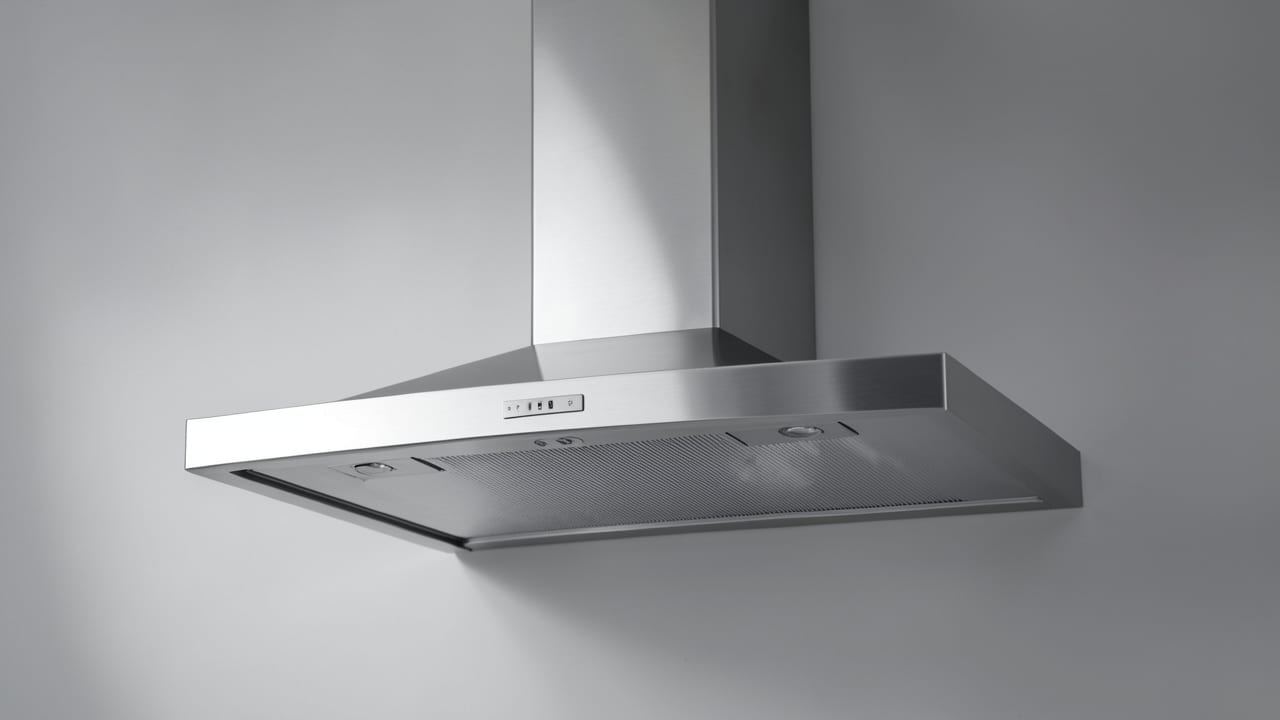
Kitchen Exhaust Hood Cleaning
Commercial and residential kitchen exhaust hood cleaning in Bellaire, TX — removes grease buildup from hoods, filters, and ductwork.
Professional kitchen exhaust hood cleaning in Bellaire, TX removes flammable grease from hoods, baffle filters, and ductwork—critical for safety and compliance. Unlike HVAC ductwork, this system requires specialized degreasing to meet NFPA 96 fire-code standards for both residential and commercial kitchens.
Why Bellaire Kitchens Need Exhaust Hood Cleaning
Every time your exhaust fan runs, grease-laden vapor condenses inside the hood and ductwork. This buildup is highly flammable, posing a fire hazard that standard HVAC cleaning doesn’t address. NFPA 96 mandates regular cleaning for commercial kitchens to mitigate this risk.
We also handle Concrete Duct Cleaning and Aluminum Duct Cleaning for Bellaire properties.
Residential range hoods in Bellaire homes accumulate the same grease film, just on a smaller scale. Over time, this can reduce airflow, create unpleasant odors, and even trigger smoke alarms. A professional cleaning restores performance and safety.
Signs Your Exhaust Hood Needs Cleaning
- Visible grease buildup on the hood or filters
- Reduced airflow or weak suction from the exhaust fan
- Persistent cooking odors lingering in the kitchen
- Grease dripping from the hood or ductwork
- Smoke alarms activating more frequently
What a Full Service Covers in Bellaire
A thorough kitchen exhaust hood cleaning goes beyond a quick wipe-down. Technicians degrease and scrub the hood canopy, baffle or mesh filters, exhaust fan housing, and accessible ductwork back to bare metal. This ensures all flammable residue is removed.
For commercial kitchens, documented cleaning on a fixed schedule is often required for insurance or fire-marshal compliance. Call us for a quote tailored to your kitchen’s volume and usage.
| Component | Cleaning Method |
|---|---|
| Hood Canopy | Degreased and scrubbed to bare metal |
| Baffle/Mesh Filters | Removed, degreased, and scrubbed |
| Exhaust Fan Housing | Degreased and cleaned internally |
| Accessible Ductwork | Scraped, degreased, and wiped clean |
Commercial vs. Residential Needs
Commercial kitchens in Bellaire must adhere to NFPA 96 cleaning-frequency standards, often requiring monthly or quarterly service depending on volume. Documentation is critical for compliance and insurance purposes.
Residential kitchens may not face the same regulations, but regular cleaning every 6–12 months prevents fire hazards and maintains optimal performance. Grease buildup in homes is just as flammable as in restaurants—just smaller in scale.
How Kitchen Exhaust Hood Cleaning Works
Our process ensures every part of your exhaust system is degreased and restored to safe, efficient operation.
- 1Inspection
Technicians assess the hood, filters, fan, and ductwork for grease buildup and accessibility. This determines the scope of work and any compliance needs.
- 2Protection Setup
Surrounding areas are covered with plastic sheeting to protect countertops, floors, and appliances from grease and cleaning agents.
- 3Degreasing and Scrubbing
All components—hood, filters, fan housing, and accessible ductwork—are treated with industrial degreasers, scrubbed to bare metal, and rinsed clean.
- 4Final Inspection
The system is checked for complete grease removal, proper airflow, and reassembly. Commercial clients receive documentation for compliance records.
Frequently Asked Questions
How often should I clean my residential range hood in Bellaire?
For most homes, a professional cleaning every 6–12 months is sufficient. If you cook with high heat or oils frequently, consider cleaning every 6 months to prevent grease buildup.
Is this the same as HVAC duct cleaning?
No. Kitchen exhaust hood cleaning targets the grease-laden system above your stove, which is separate from your home’s HVAC ductwork. Grease requires specialized degreasing, not just dust removal.
Do I need a permit or inspection for commercial kitchen cleaning in Bellaire?
While the service itself doesn’t require a permit, commercial kitchens must comply with NFPA 96 and local fire codes. We provide documentation for your records to meet insurance and fire-marshal requirements.
Can I clean the hood myself?
Surface cleaning is possible, but professional service ensures all flammable grease is removed from hidden areas like ducts and fan housings. DIY methods often miss critical spots, leaving fire hazards.
See Jacinto City, TX for more, or check out what we cover for Bellaire properties in detail for our complete lineup.
Ready to get started?
Talk to a local air duct cleaning pro in Bellaire — get a written quote.
Other Air Duct Cleaning Services in Bellaire
Concrete Duct Cleaning in Bellaire, TX
Professional cleaning of concrete ductwork to remove dust, debris, and contaminants from HVAC systems.
Learn More
Aluminum Duct Cleaning in Bellaire, TX
Professional cleaning of aluminum ductwork to remove dust, debris, and contaminants from HVAC systems.
Learn More
Stainless Steel Duct Cleaning in Bellaire, TX
Professional cleaning of stainless steel ductwork to remove dust, debris, and contaminants from HVAC systems.
Learn More
Rectangular Duct Cleaning in Bellaire, TX
Professional cleaning of rectangular HVAC ductwork to remove dust, debris, and contaminants.
Learn More
Sunroom Duct Cleaning in Bellaire, TX
Professional cleaning of sunroom air ducts to remove dust, debris, and allergens from HVAC systems.
Learn More
Laundry Room Vent Cleaning in Bellaire, TX
Removal of lint and debris from laundry room vents to improve airflow and safety.
Learn MoreCommon Questions About Air Duct Cleaning in Bellaire
Everything you need to know about air duct cleaning services in Bellaire
How much does Kitchen Exhaust Hood Cleaning typically cost in Bellaire, TX?
Can humidity in Bellaire, TX lead to mold growing inside the ductwork itself?
What's the real difference between flat-rate and per-vent air duct pricing?
How often should air ducts actually be cleaned?
What does an air duct cleaning appointment actually involve, step by step?
Does dirty ductwork actually cause allergy or respiratory symptoms?
Need Air Duct Cleaning in Bellaire?
Get a written quote from our Bellaire crew.
⏰ We answer your call • Serving all of Bellaire and surrounding areas